


From the perspective of the business community and industry associations, the workshop titled “Removing Obstacles in the Implementation of New Legal Policies on Food Safety” became an important forum for dialogue, practical feedback, and proposed solutions related to Decree 46/2026/ND-CP and Resolution 66.13/2026/NQ-CP.
The event took place on the morning of February 6, 2026, in Hanoi and was organized by the Vietnam Chamber of Commerce and Industry. It drew participation from representatives of state management agencies, 12 industry associations, and more than 1,200 enterprises and experts attending both in person and online.
The workshop was held in a context where two newly issued food safety legal documents, introduced and implemented within a short time frame, had already generated numerous practical difficulties for production and business activities. The changes, which differed significantly from the existing legal framework, particularly in inspection approaches, management methods, and implementation conditions, created substantial challenges for enterprises during the initial rollout. This situation highlighted the need for more thorough review, dialogue, and preparation for the upcoming revision of the Law on Food Safety.
In his opening remarks, a representative of the organizing body emphasized the strategic importance of food safety management for public health and for enhancing the competitiveness of Vietnamese products in international markets. Legal policies, he noted, are not merely technical instruments but have deep and wide-ranging impacts across the entire chain of production, business, and consumption. Therefore, they must be implemented in a manner that aligns with the real operating conditions of enterprises.
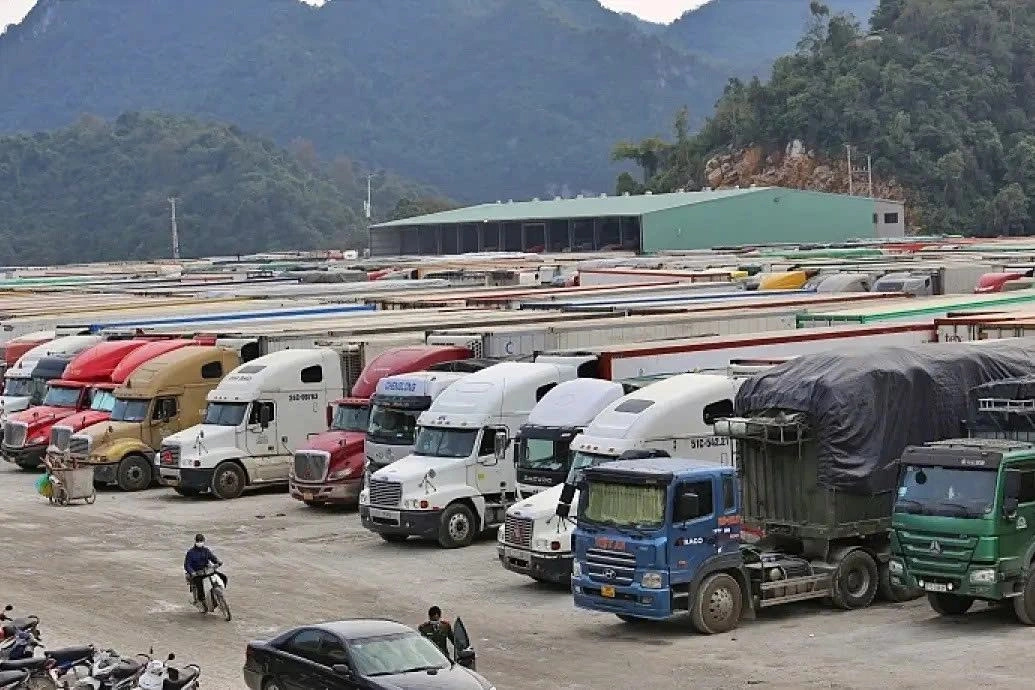
During the workshop, major contents of Decree 46 and Resolution 66.13 were presented and analyzed in detail. According to the presentations, these documents were issued to strengthen the effectiveness of state management in food safety and to close regulatory loopholes, while clarifying responsibilities in food production and distribution. However, participants reported that in just over a week of implementation, many problems had already emerged. Enterprises had not had sufficient time to fully understand the changes. More complex inspection procedures, short transition periods, and the lack of detailed guidance resulted in numerous shipments being held at border gates or facing circulation obstacles.
The organizers identified two main objectives for the workshop. The first was to provide updated information so that enterprises could correctly understand the regulatory changes and assess their impact in terms of costs, procedures, and operational conditions. The second was to create a forum for discussing effective implementation methods while listening to real-world feedback. If necessary, this feedback could form the basis for recommendations to the Government and relevant ministries for policy adjustments. The event was also seen as an important preparatory step toward the forthcoming revision of the Law on Food Safety.
Concerns raised at the workshop came not only from domestic associations but also from international business organizations operating in Vietnam. They expressed worries that certain inspection and certification requirements were causing unnecessary costs and delays, especially when products already certified under international standards still had to undergo additional domestic procedures. This situation was affecting production activities and supply chains at a time when deep international integration and export activities play an increasingly significant role.
One of the most pressing issues for the business community was the extremely short transition period. Although the Government had decided to temporarily suspend the implementation of Decree 46 and Resolution 66.13 until April 15, 2026, to ease immediate bottlenecks and allow enterprises time to prepare, many participants believed that if no adjustments or clearer guidance were provided, the difficulties could return in full force after that date. With less than two months remaining, enterprises would face tremendous pressure to understand, adapt to, and comply with the new requirements if the two documents were reinstated without modification.
Beyond technical recommendations, many speakers addressed the mismatch between local implementation capacity and regulatory requirements. This link is decisive for policy effectiveness, yet many localities currently lack sufficient resources, personnel, and detailed guidance to meet the new demands. As a result, differences in interpretation and enforcement have arisen across regions, leading to an inconsistent business environment and increasing legal risks for enterprises.
In that context, many delegates highlighted the problem of insufficient transparency and communication gaps between regulatory bodies and the business community. In particular, the period between the drafting stages and the official issuance of Decree 46 saw a lack of comprehensive consultation, leaving enterprises unprepared for the sweeping legal changes. This lack of timely information was seen as a key factor behind the recent disruptions to production and law enforcement in practice.
A notable speech at the workshop came from Vu Kim Hanh, Chairwoman of the Association of High Quality Vietnamese Goods Enterprises, representing the voice of many domestic businesses. She shared that after nearly ten days of being stuck due to the new regulations, enterprises had only just begun to find relief and felt temporary ease. However, behind that short-term relief remained deep anxiety about what would happen after April 15. She pointed out that the preparation time, effectively only about 45 working days after deducting public holidays and weekends, was far too short to address systemic issues.
According to her, enterprises are particularly concerned about four major points. First, the spirit of Decree 46 appears to run counter to the major policy direction of shifting from pre-inspection to post-inspection to create a more favorable business environment. Second, the decree is far removed from actual business operations and has already caused evident losses. Third, many provisions are not compatible with the implementation capacity of local authorities, even though local enforcement is a decisive factor. Fourth, the management approach does not align with international practices at a time when import and export activities play an increasingly important role in GDP.
Her central recommendation was the establishment of a standing consultation mechanism between industry associations, enterprises, and regulatory agencies. From April 15, 2026, until the new Law on Food Safety is issued, she proposed the creation of a permanent dialogue focal point, possibly coordinated by the Vietnam Chamber of Commerce and Industry together with its Legal Department. This mechanism would continuously gather practical feedback from enterprises, including newly arising issues that may not yet have been anticipated, with the dual aim of preventing disruptions to business operations and contributing directly to the law-making process.
She also stressed that the period after April 15 is likely to see major changes, including the formation of a new Government term. Questions remain as to whether Decree 46 will continue to be applied unchanged and whether the preparatory requirements under related resolutions will remain appropriate in light of the upcoming legislative revisions. Without adjustments in approach, short-term bottlenecks might be resolved only for more fundamental problems to emerge later, affecting the quality of legislation and the underlying philosophy of governance.
For that reason, she earnestly called for the maintenance of an open consultation mechanism involving associations, enterprises, and the media. Even if not formally invited, the business community, she said, would proactively fulfill its role in providing constructive feedback. She expressed confidence that the State and the Party remain committed to major policy resolutions, and therefore food safety policies should be adjusted to reflect that spirit rather than contradict it as currently perceived under Decree 46.
Overall, the workshop not only created a space for listening and in-depth discussion of new policy content but also clearly reflected the business community’s strong need for broader participation in the policy-making process. The opinions and recommendations shared at the event may serve as an important basis for state agencies to review, supplement, and improve the legal framework in the coming period, with the goal of building a more stable, transparent, and business-friendly environment for both domestic and international enterprises.