Improving the EPR Mechanism to Enhance Waste Management Efficiency
Extended Producer Responsibility (EPR) is increasingly viewed as a key policy instrument for promoting a circular economy and reducing pressure on Vietnam’s waste management system. However, after the first stages of implementation, a number of challenges related to operational mechanisms, data transparency, and enforcement capacity have emerged. These challenges highlight the need for continued refinement of the policy framework so that EPR can function effectively in practice.
On March 6, 2026, in Hanoi, the United Nations Development Programme (UNDP) in Vietnam, in collaboration with the Department of Environment under the Ministry of Agriculture and Environment, organized a technical consultation workshop on Extended Producer Responsibility through the National Plastic Action Partnership (NPAP) in Vietnam.
The event attracted nearly 200 participants representing government agencies, businesses, industry associations, international organizations, embassies, and development partners.
The workshop took place at a time when Vietnam is preparing amendments and supplements to several provisions of the 2020 Law on Environmental Protection under the 2026 legislative program. The review process is expected to help refine the EPR implementation mechanism while ensuring consistency across legal regulations related to waste management, recycling, and the circular economy.
An Important Step in Waste Management Policy
EPR was formally introduced in the 2020 Law on Environmental Protection and began to be implemented from 2022. Under this mechanism, producers and importers are required to take responsibility for recycling products and packaging or to contribute financially to the Vietnam Environmental Protection Fund to support the collection and treatment of waste generated from products and packaging they place on the market.
This mechanism represents a significant shift in waste management policy, as it transfers part of the responsibility from the government to producers and consumers. Instead of focusing only on waste treatment at the end of the lifecycle, EPR encourages companies to design more environmentally friendly products, increase recyclability, and reduce waste generation from the beginning of the value chain.
Environmental experts note that EPR not only creates a stable financial source for recycling systems but also helps stimulate the development of a domestic recycled materials market. When the cost of waste treatment becomes part of a product’s lifecycle cost, businesses are more motivated to redesign products, incorporate recycled materials, and develop circular economy models.
Challenges in Implementation
Despite the relatively clear legal framework, the implementation of EPR in Vietnam is still in a formative stage. According to representatives of UNDP Vietnam, practical experience shows that there remains a gap between policy design and the actual operating conditions of the domestic recycling market.
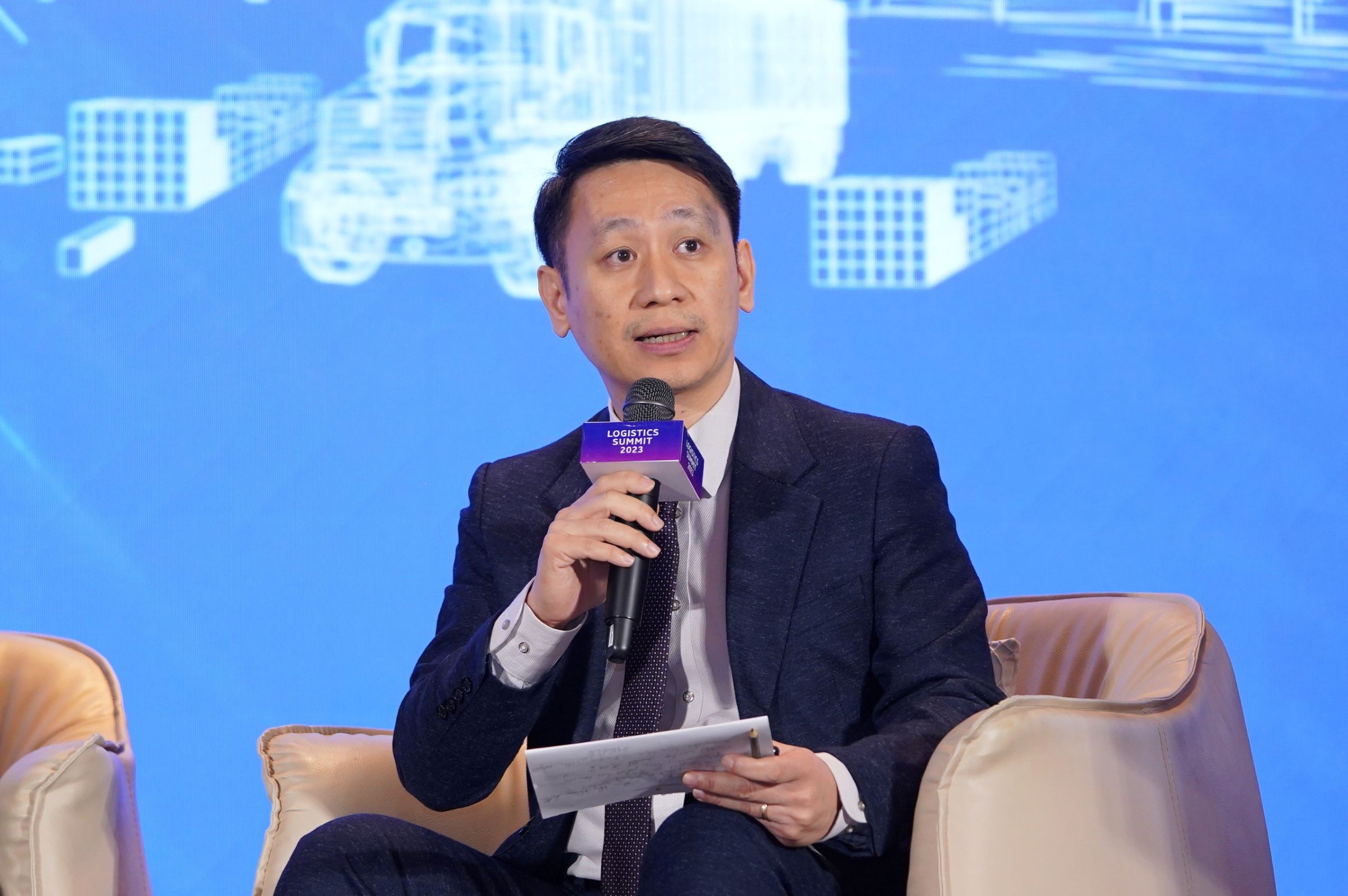
Vu Thai Truong, Head of Climate, Environment and Energy at UNDP Vietnam, emphasized that one of the key challenges lies in the lack of comprehensive and transparent data systems related to waste generation and recycling activities. This limitation makes it difficult to monitor corporate compliance with recycling responsibilities and to evaluate the effectiveness of the policy.
Another challenge is the uneven level of preparedness among businesses. While multinational corporations and large enterprises are already familiar with EPR systems in other markets, many small and medium-sized Vietnamese enterprises are still adapting to new requirements such as reporting obligations, recycling targets, and financial contributions.
The development of the domestic recycling industry is also uneven. Vietnam still relies significantly on the informal recycling sector, while modern recycling facilities remain limited. As a result, achieving the recycling targets stipulated under EPR regulations will require additional time, investment, and capacity building.
Ho Kien Trung, Deputy Director General of the Department of Environment, stated that the Ministry of Agriculture and Environment is conducting a comprehensive review of the EPR implementation process to propose appropriate adjustments. The ministry also expects continued support from international organizations such as UNDP and NPAP in developing technical guidelines, strengthening capacity for stakeholders, and promoting public–private dialogue.
International Experiences in EPR Implementation
At the workshop, international experts shared practical experiences from countries that have successfully implemented EPR systems over several decades. EPR schemes are widely adopted in regions such as the European Union, Japan, South Korea, and Canada, each with different governance models but with a shared objective of reducing waste and increasing recycling rates.
In the European Union, EPR is considered a cornerstone of circular economy policy. In the packaging sector alone, EPR programs have helped raise average recycling rates to more than 60 percent in several member states. Producer Responsibility Organizations (PROs) act as intermediaries, representing producers in organizing nationwide collection and recycling systems.
Germany is often cited as a pioneering example with its “Green Dot” system introduced in the early 1990s. Under this system, companies pay fees based on the weight and type of packaging they place on the market. These fees are then used to finance nationwide waste collection, sorting, and recycling activities.
Japan implements EPR through several specialized laws, including the Containers and Packaging Recycling Law and the Home Appliance Recycling Law. Producers are financially responsible for recycling products at the end of their lifecycle, while local governments handle waste collection and sorting.
South Korea also offers a notable case. Since adopting EPR in 2003, the country has significantly increased packaging recycling rates while supporting the growth of a modern recycling industry.
According to international experts, successful EPR systems share several common characteristics, including transparent data systems, clear financial mechanisms, and close cooperation between governments, businesses, and producer responsibility organizations.
Promoting a Circular Economy and Reducing Plastic Pollution
The workshop also featured in-depth discussions on improving regulations related to product and packaging recycling responsibilities, as well as enhancing the management of plastic waste in Vietnam.
International studies estimate that the world produces around 400 million tons of plastic waste each year, but only about 9 percent is recycled. Most plastic waste is landfilled, incinerated, or leaked into the environment, causing significant impacts on ecosystems and human health.
Vietnam is among the countries facing increasing pressure in managing plastic waste. Rapid growth in consumption and e-commerce has led to a sharp increase in plastic packaging over recent years. Therefore, effective implementation of EPR is considered a critical solution to reduce plastic waste and stimulate the recycling market.
The National Plastic Action Partnership (NPAP) in Vietnam has been established to support this effort. The initiative is led by UNDP Vietnam in cooperation with the Ministry of Agriculture and Environment and the World Economic Forum. It provides a multi-stakeholder platform connecting government agencies, businesses, civil society organizations, and development partners.
Through NPAP, various initiatives are being promoted to reduce plastic pollution, improve waste collection and recycling systems, and mobilize financial resources for circular economy solutions.
Towards an Effective and Transparent EPR System
Participants at the workshop emphasized that improving the EPR mechanism should focus on increasing transparency, strengthening monitoring capacity, and enabling businesses to participate more actively in the system.
Developing digitalized data systems for tracking products, packaging, and recycling activities is considered a crucial step in improving policy effectiveness. At the same time, encouraging the development of producer responsibility organizations can help companies fulfill recycling obligations more efficiently and at lower cost.
As many countries accelerate their transition toward circular economy models, strengthening the EPR framework will not only improve Vietnam’s waste management system but also enhance the competitiveness of Vietnamese businesses in global supply chains.
Through continued technical consultations and international cooperation, Vietnam is gradually building a stronger policy foundation for sustainable waste management while reaffirming its commitment to advancing the circular economy and environmental protection in the years ahead.