Vietnam Pilots Greenhouse Gas Emission Allowances for 110 Industrial Facilities: A Key Step Toward a Domestic Carbon Market
As climate change increasingly becomes a central global challenge, Vietnam is gradually building a greenhouse gas management framework based on market mechanisms. The pilot allocation of emission allowances for major industrial enterprises is not merely an environmental management tool; it represents the first concrete step toward establishing a domestic carbon market, an economic instrument widely used around the world to control emissions and encourage the transition to a green economy.
The decision to allocate greenhouse gas emission quotas to major industrial facilities for the 2025–2026 period marks a significant milestone in implementing climate policies that Vietnam has been preparing for many years. It reflects the country’s transition from policy planning to practical implementation in emission reduction efforts and sets the groundwork for the operation of a national carbon market in the coming years.
Pilot allocation of emission quotas for 110 major emitting facilities
The Ministry of Agriculture and Environment has recently issued Decision No. 699/QĐ-BNNMT, launching a pilot program to allocate greenhouse gas emission allowances to 110 large industrial facilities during 2025 and 2026. These facilities belong to three of the most carbon-intensive sectors in the Vietnamese economy: thermal power generation, cement manufacturing, and iron and steel production.
According to government statistics, the group includes 34 thermal power plants, 51 cement production facilities, and 25 crude steel manufacturing plants. Although the number of participating facilities represents only a fraction of Vietnam’s industrial sector, these enterprises play a disproportionately large role in national emissions. Together they account for approximately 40 percent of the country’s total greenhouse gas emissions.
Selecting large emitters for the pilot phase is considered a practical approach. Heavy industries such as electricity generation, cement, and steel production consume significant amounts of energy and rely heavily on fossil fuels. As a result, their carbon dioxide emissions are far higher than those of most other sectors of the economy.
Under the government’s plan, the total greenhouse gas emission allowances allocated during the pilot period amount to more than 243 million tons of CO₂ equivalent in 2025 and 268 million tons of CO₂ equivalent in 2026. These levels were determined based on historical emissions data reported by enterprises through greenhouse gas inventories, while also taking into account production demand and the emission-reduction trajectories of each sector.
The pilot program is implemented following Decision No. 263/QĐ-TTg signed on February 9, 2026, by Deputy Prime Minister Trần Hồng Hà on behalf of the Prime Minister, approving the total emission allowance quotas for the 2025–2026 trial period.
Major enterprises receiving large emission quotas
Among the facilities receiving emission allowances, several large thermal power plants and steel complexes are allocated particularly significant quotas due to their scale and energy consumption.
In the power generation sector, some plants have annual emission allowances exceeding ten million tons of CO₂ equivalent. For example, Quang Ninh Thermal Power Joint Stock Company has been allocated approximately 11 million tons of CO₂ equivalent in 2025 and more than 12 million tons in 2026. Mong Duong Thermal Power Plant, operated by AES Mong Duong Power Company Limited, receives an allowance of about 12.19 million tons in 2025 and over 13.35 million tons in the following year.
Other large coal-fired plants such as Vinh Tan 1 BOT Power Plant and Vinh Tan 2 Thermal Power Plant are also among the facilities with high emission quotas due to their large generating capacity and reliance on coal-based electricity production.
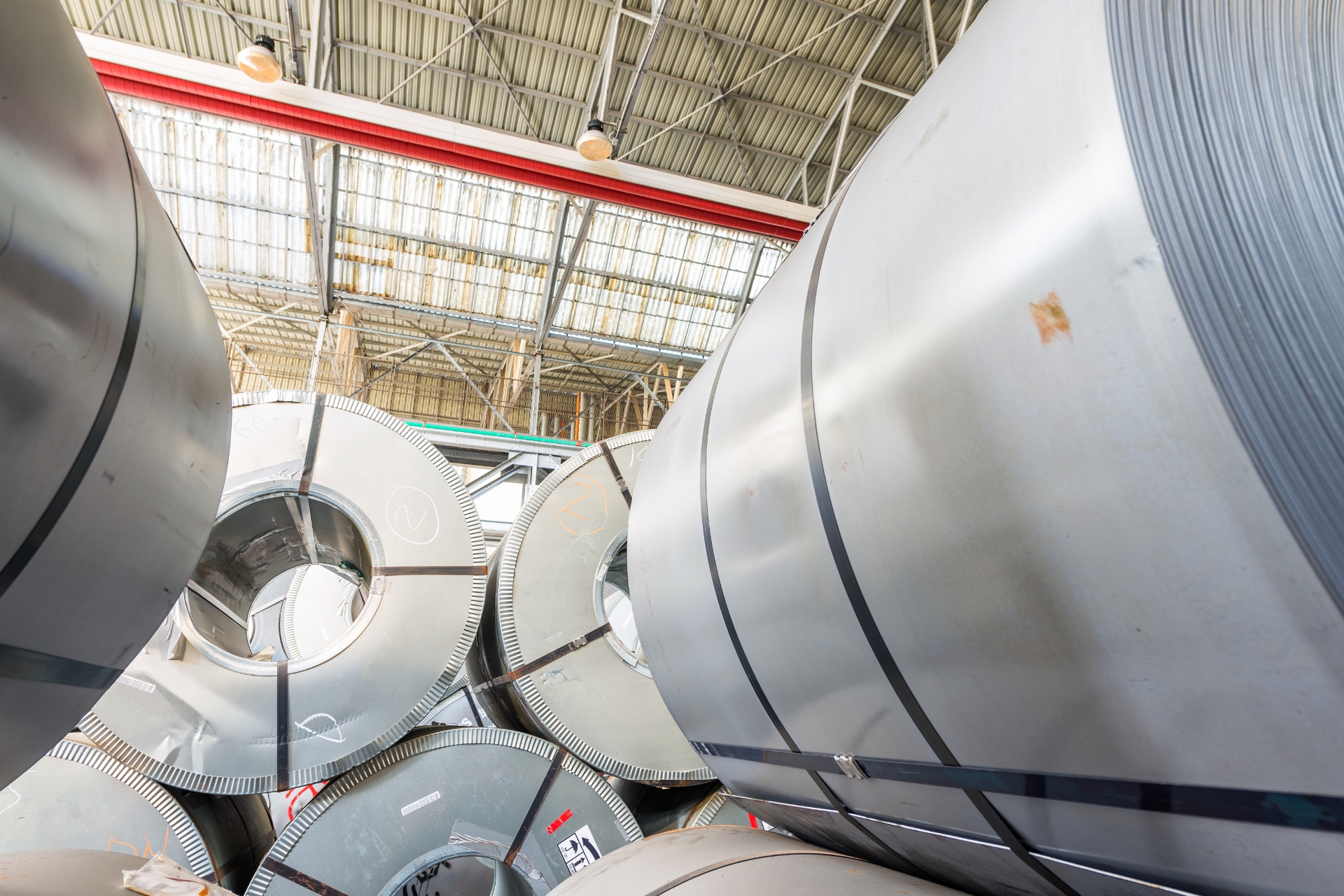
In the steel sector, large integrated metallurgical complexes such as Formosa Ha Tinh Steel Corporation and Hoa Phat Dung Quat Steel Joint Stock Company have also been allocated annual emission allowances measured in the tens of millions of tons of CO₂ equivalent. These facilities operate continuous production lines involving blast furnaces and other energy-intensive processes, making them among the most carbon-intensive industrial operations in the country.
Under current regulations, enterprises receiving emission quotas are required to surrender allowances corresponding to their verified emissions in accordance with the provisions of Decree No. 06/2022/NĐ-CP on greenhouse gas mitigation and ozone layer protection. This decree was later amended and supplemented by Decree No. 119/2025/NĐ-CP, which further clarifies regulatory mechanisms for greenhouse gas inventories and emission quota management.
Carbon market policy has been prepared for years
The pilot allocation of emission allowances is the result of a policy process that has been gradually developed over the past decade as Vietnam strengthened its climate governance framework.
A key legal foundation was established in the Law on Environmental Protection 2020, which for the first time introduced provisions for developing a domestic carbon market. The law outlines mechanisms for trading emission allowances and carbon credits, providing the legal basis for market-based emission reduction policies.
Following the enactment of the law, the government issued Decree 06/2022/NĐ-CP, which sets out detailed regulations on greenhouse gas inventory systems, emission mitigation measures, and the roadmap for building Vietnam’s carbon market. The decree also defines responsibilities for enterprises with significant emissions, requiring them to conduct periodic greenhouse gas inventories and report emissions data to regulatory authorities.
Another important preparatory step was the issuance of a decision by the Prime Minister establishing a list of more than 2,166 facilities required to conduct greenhouse gas inventories nationwide. These facilities span sectors including energy, industry, transportation, and waste management. The inventory system provides a critical database for measuring emissions accurately and for designing future emission quota allocation systems.
Under the government’s roadmap, the period from 2022 to 2025 focuses on establishing the legal and technical infrastructure needed for carbon market development. This includes building greenhouse gas inventory systems, developing emissions monitoring frameworks, and testing policy mechanisms.
The pilot allocation of emission quotas to 110 industrial facilities during 2025–2026 represents the next stage of this roadmap. It serves as a practical test of how quota allocation, emissions reporting, and regulatory oversight will function before the full operation of a national carbon market.
Long-term objective: operating a carbon market and reducing emissions
The introduction of emission allowances serves not only as an environmental regulatory measure but also as a foundation for Vietnam’s future carbon market. Around the world, carbon markets have become an increasingly important economic instrument for reducing greenhouse gas emissions.
Under such systems, each enterprise receives a certain number of emission allowances. If its actual emissions fall below the allocated level, the company can sell the surplus allowances to other firms. Conversely, if emissions exceed the quota, the company must purchase additional allowances or invest in cleaner technologies to reduce emissions.
This market-based mechanism creates financial incentives for businesses to improve energy efficiency and adopt low-carbon technologies. Rather than relying solely on administrative restrictions, carbon markets allow emission reductions to occur where they are most cost-effective within the economy.
For Vietnam, building a domestic carbon market is closely linked to the country’s international climate commitments. At the COP26 climate summit in 2021, Vietnam pledged to achieve net-zero greenhouse gas emissions by 2050. Meeting this ambitious target will require significant reductions in emissions across major sectors such as energy, heavy industry, and transportation.
A domestic carbon market may also help Vietnam access international climate finance while strengthening the competitiveness of its export industries. In particular, policies such as the European Union’s Carbon Border Adjustment Mechanism (CBAM) could impose carbon costs on imports of carbon-intensive goods such as steel and cement. By establishing its own carbon pricing mechanisms, Vietnam can better prepare domestic industries for these emerging global trade regulations.
A first step toward climate-economic policy in Vietnam
Although still in the pilot stage, the allocation of emission allowances to major industrial enterprises represents a significant step in Vietnam’s transition toward a market-based climate governance system.
Over the next few years, regulatory authorities will closely monitor the implementation of emission quotas by participating enterprises. The Ministry of Industry and Trade and the Ministry of Construction will supervise compliance within their respective sectors, while the Ministry of Agriculture and Environment will coordinate data collection and overall evaluation of the pilot program.
The experience gained from this trial phase will be crucial for refining the legal and institutional framework for the national carbon market. If the pilot proves effective and transparent, the government may expand the system to additional industries and gradually move toward full market operation.
In a world increasingly shifting toward low-carbon economic models, the development of a carbon market could play an essential role in helping Vietnam balance environmental responsibility with economic growth. The pilot allocation of emission quotas to 110 industrial facilities therefore marks the beginning of a new phase in the country’s climate policy and environmental governance.